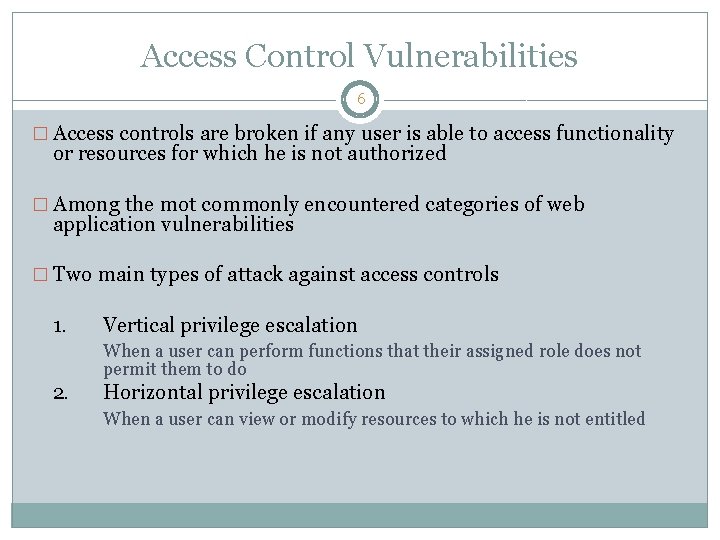
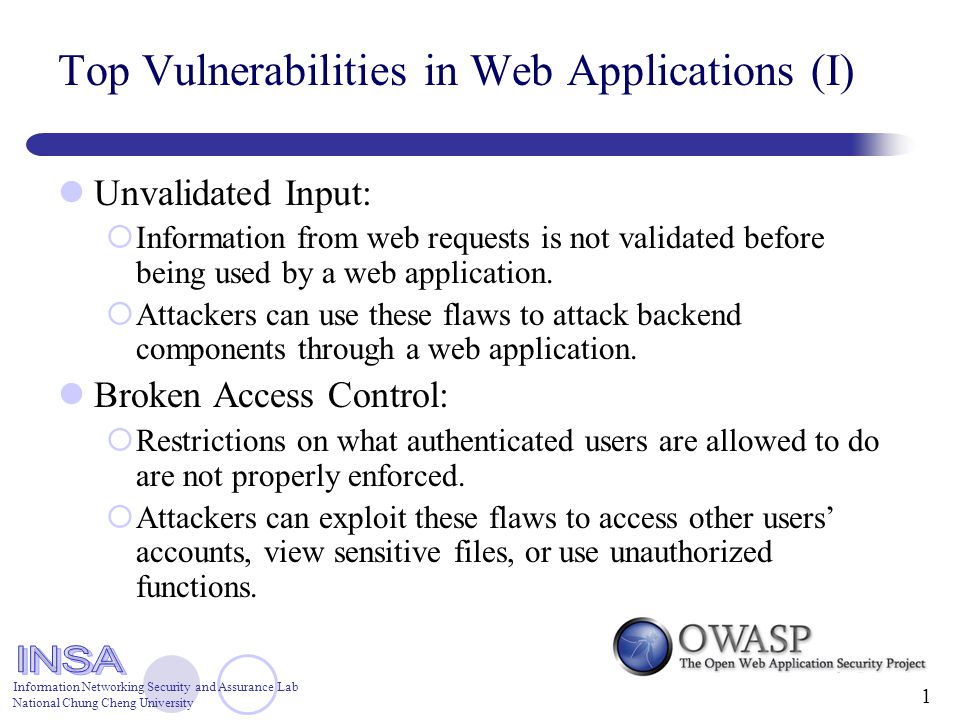
Prepare a threat model to secure data both in transit and at rest from both types of the attacker( e.g., insider attack, external user)
Encrypt data to protect it from any cyber attack.
Never store sensitive data unnecessarily. Discard it as soon as possible.
https://allabouttesting.org/top-10-interview-questions-owasp-top-10-application-security/
demonstrate some widely applicable techniques using concrete examples of PHP, Ruby, and Java deserialization
What is serialization?
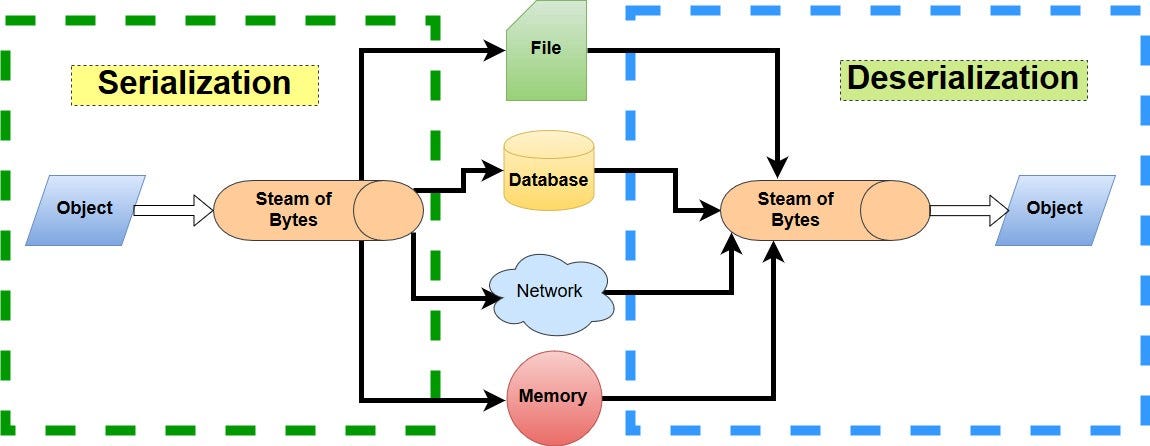
Serialization is the process of converting complex data structures, such as objects and their fields, into a "flatter" format that can be sent and received as a sequential stream of bytes. Serializing data makes it much simpler to:
Write complex data to inter-process memory, a file, or a database
Send complex data, for example, over a network, between different components of an application, or in an API call
Serialization vs deserialization
Deserialization is the process of restoring this byte stream to a fully functional replica of the original object, in the exact state as when it was serialized.
What is insecure deserialization?
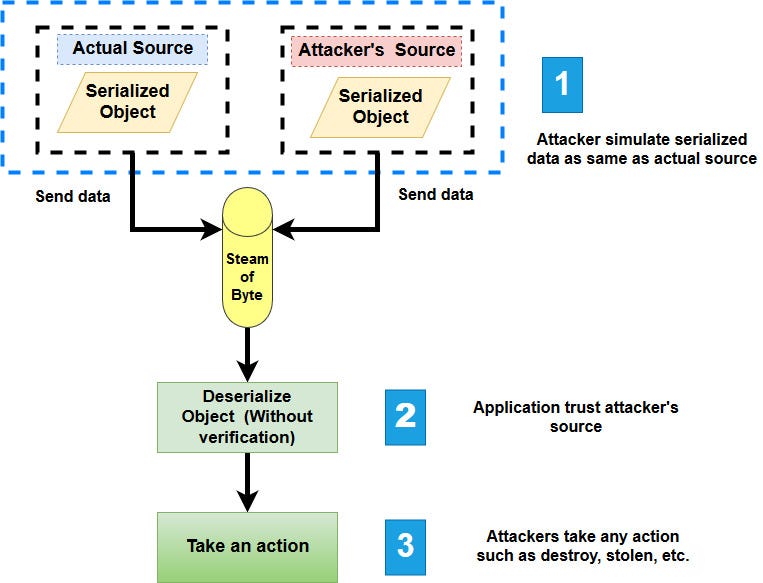
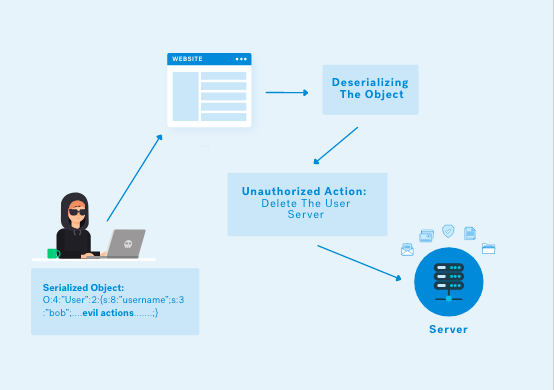
Insecure deserialization is when user-controllable data is deserialized by a website. This potentially enables an attacker to manipulate serialized objects in order to pass harmful data into the application code.
It is even possible to replace a serialized object with an object of an entirely different class. Alarmingly, objects of any class that is available to the website will be deserialized and instantiated, regardless of which class was expected. For this reason, insecure deserialization is sometimes known as an "object injection" vulnerability.
An object of an unexpected class might cause an exception. By this time, however, the damage may already be done. Many deserialization-based attacks are completed before deserialization is finished. This means that the deserialization process itself can initiate an attack, even if the website's own functionality does not directly interact with the malicious object. For this reason, websites whose logic is based on strongly typed languages can also be vulnerable to these techniques.
How do insecure deserialization vulnerabilities arise?
Ideally, user input should never be deserialized at all.
However, sometimes website owners think they are safe because they implement some form of additional check on the deserialized data. This approach is often ineffective because it is virtually impossible to implement validation or sanitization to account for every eventuality.These checks are also fundamentally flawed as they rely on checking the data after it has been deserialized, which in many cases will be too late to prevent the attack.
In short, it can be argued that it is not possible to securely deserialize untrusted input.
What is the impact of insecure deserialization?
It allows an attacker to reuse existing application code in harmful ways, resulting in numerous other vulnerabilities, often remote code execution.
Even in cases where remote code execution is not possible, insecure deserialization can lead to privilege escalation, arbitrary file access, and denial-of-service attacks.
How to prevent insecure deserialization vulnerabilities
Generally speaking, deserialization of user input should be avoided unless absolutely necessary.
If you do need to deserialize data from untrusted sources, incorporate robust measures to make sure that the data has not been tampered with. For example, you could implement a digital signature to check the integrity of the data. However, remember that any checks must take place before beginning the deserialization process. Otherwise, they are of little use.
If possible, you should avoid using generic deserialization features altogether. Serialized data from these methods contains all attributes of the original object, including private fields that potentially contain sensitive information. Instead, you could create your own class-specific serialization methods so that you can at least control which fields are exposed.
https://portswigger.net/web-security/deserialization
- Understanding IDOR Vulnerability
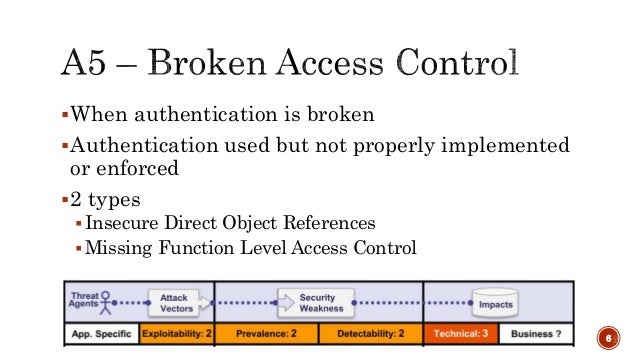
A Direct Object Reference is a web application design method in which entity names are used to identify application-controlled resources that are passed in URLs or request parameters.
Insecure Direct Object Reference represents a vulnerable Direct Object Reference. It involves replacing the entity name with a different value without the user’s authorization. As a result, users will be directed to links, pages, or sites other than the ones they intended to visit,
Generally, IDOR attacks are of two types:
Body Manipulation. Attackers modify the value of a checkbox, radio buttons, and form fields. This lets them access information from other users with ease.
URL Tampering. The URL is modified at the client’s end by tweaking the parameters in the HTTP request. HTTP verbs GET and POST are typically vulnerable to a URL tampering IDOR attack.
Preventing IDOR Vulnerability
An Indirect Reference Map is an alternative design method to ‘Direct Object Reference’ that helps businesses avoid IDOR vulnerabilities. It replaces the actual references (such as user IDs, names, keys, etc.) with alternate IDs that map to the original values. The mapping between the alternate IDs and actual references are maintained safely on the servers.
Validate User Access
Servers fail to identify tampered URLs because there are no access checks in place at the data-object level. Data layer access controls should be enforced only when the server verifies whether the current user owns or has access permissions to the requested data.
The application should establish criteria for incoming input, and if it doesn’t meet expectations, reject the value.
https://spanning.com/blog/insecure-direct-object-reference-web-based-application-security-part-6/
- A10:2021 – Server-Side Request Forgery (SSRF)
Description
SSRF flaws occur whenever a web application is fetching a remote resource without validating the user-supplied URL. It allows an attacker to coerce the application to send a crafted request to an unexpected destination, even when protected by a firewall, VPN, or another type of network access control list (ACL)
https://owasp.org/Top10/A10_2021-Server-Side_Request_Forgery_%28SSRF%29/